
Sabah is often introduced through Mount Kinabalu, rainforest and beaches. Those images are accurate, but incomplete. The state’s identity also comes from its position on Borneo, its maritime connections, its many communities and the constitutional arrangements that accompanied the creation of Malaysia.
Development therefore means more than expanding Kota Kinabalu or attracting visitors. It includes connecting villages, improving public services, creating productive work beyond resource extraction and preserving the cultural and environmental assets that make Sabah distinctive.
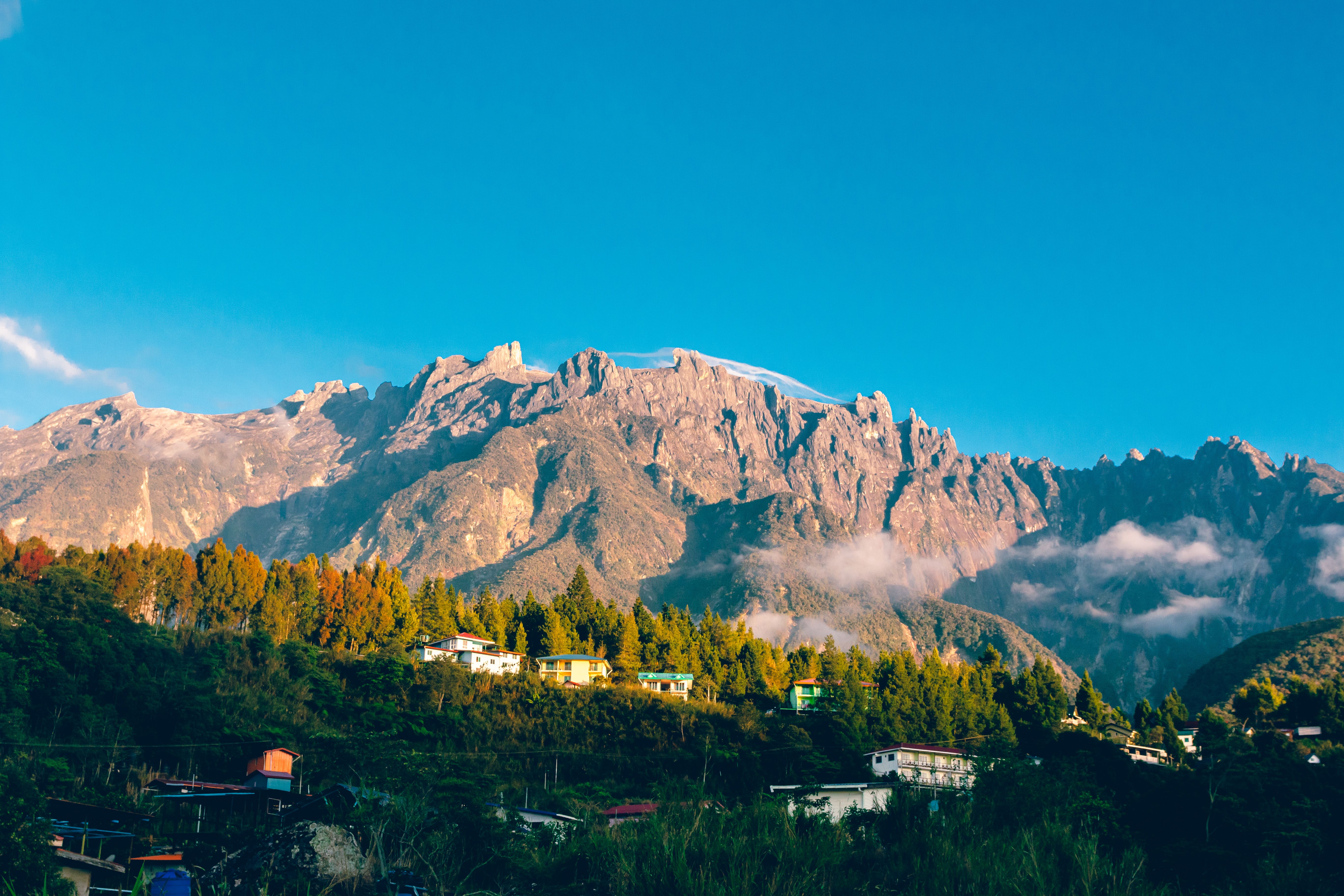
A Borneo identity within Malaysia
Sabah joined the Federation of Malaya, Sarawak and Singapore in the political formation that became Malaysia on 16 September 1963. The United Nations Treaty Series text of the Malaysia Agreement records the constitutional and international framework for that change.
This history matters because Sabah’s regional identity is not simply a local version of a broader national identity. It has been shaped by a distinct pre-1963 history, Borneo geography and arrangements relating to matters such as immigration, public administration and the protection of local interests. The result is a form of Malaysian identity that is federal and national, but also strongly regional.
Sabah is also culturally plural. Kadazan-Dusun, Bajau, Murut and many other Indigenous and non-Indigenous communities contribute to the state’s social life, alongside Malay, Chinese and other communities. Coastal settlements, interior highlands, river systems and island districts have different economic histories and daily rhythms. Any account of Sabah that treats the state as culturally uniform will miss how regional belonging is actually experienced.
Why geography is central to development
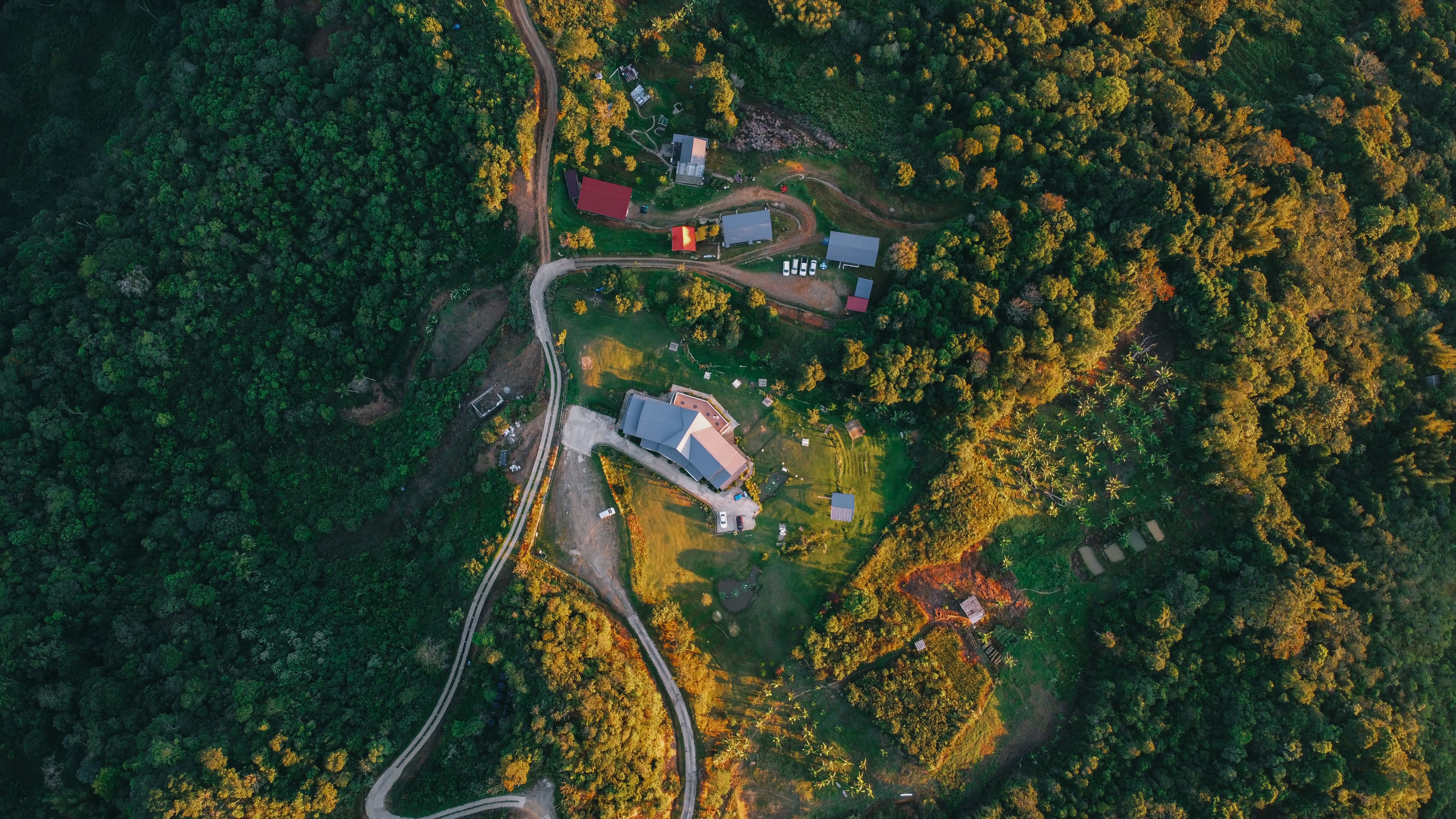
Sabah’s geography creates both assets and costs. Its coastline and island communities support fishing, tourism and trade. Its highlands support agriculture and distinctive rural economies. Its forests and protected areas underpin biodiversity and nature-based tourism. At the same time, distance between settlements can raise the cost of roads, electricity, water systems, schools, health services and digital infrastructure.
This is why a development project that looks straightforward on a map can require different solutions in a dense urban area, a highland farming district and a remote island community. Sabah’s regional development is less a single construction programme than a continuing effort to make services reliable across difficult terrain.
The economy is changing, but not evenly
Recent statistics show an economy in transition rather than a simple success-or-decline story. The Department of Statistics Malaysia reported that Sabah’s gross domestic product reached RM84.3 billion in 2024, up 1.1 per cent from 2023. Services, the state’s largest component, grew 4.2 per cent, while construction rebounded by 18.8 per cent.
The same release shows why diversification remains important. Mining and quarrying declined 5.0 per cent, while agriculture contracted 3.4 per cent. These figures do not make those sectors unimportant; they show that Sabah’s performance can be affected by conditions in resource and commodity markets as well as by domestic demand.
| Indicator | Sabah, 2024 | What it helps explain |
|---|---|---|
| GDP | RM84.3 billion | The scale of the state economy |
| GDP growth | 1.1% | Growth was positive but slower than Malaysia’s 5.1% national rate |
| Services growth | 4.2% | The continuing importance of trade, accommodation, food services and government services |
| Construction growth | 18.8% | Infrastructure and building activity had a strong year |
| Unemployment rate | 7.6% | Economic output does not automatically translate into enough suitable jobs |
Source: Department of Statistics Malaysia, Gross Domestic Product by State, 2024, and the State Socioeconomic Report 2024.
Tourism illustrates the opportunity and the balancing act. A December 2025 tourism account from the statistics department said tourism generated RM13.7 billion in Sabah in 2024 and represented 12.0 per cent of state GDP. Visitor spending can support accommodation, food, transport, guiding and small businesses, but the gains depend on whether money reaches communities beyond the largest urban and resort centres.
Urban growth and rural inclusion are linked
Kota Kinabalu functions as Sabah’s main administrative, commercial and service hub. Its institutions, airport, universities, hospitals and businesses connect the state to national and international networks. Yet urban strength should not be confused with statewide development.
Sabah’s 2024 socioeconomic profile included a 7.6 per cent unemployment rate, the highest among Malaysia’s states in the cited report. The figure is a reminder that headline investment and city-centre construction need to be paired with skills, enterprise support, transport links and access to markets in smaller towns and rural districts.
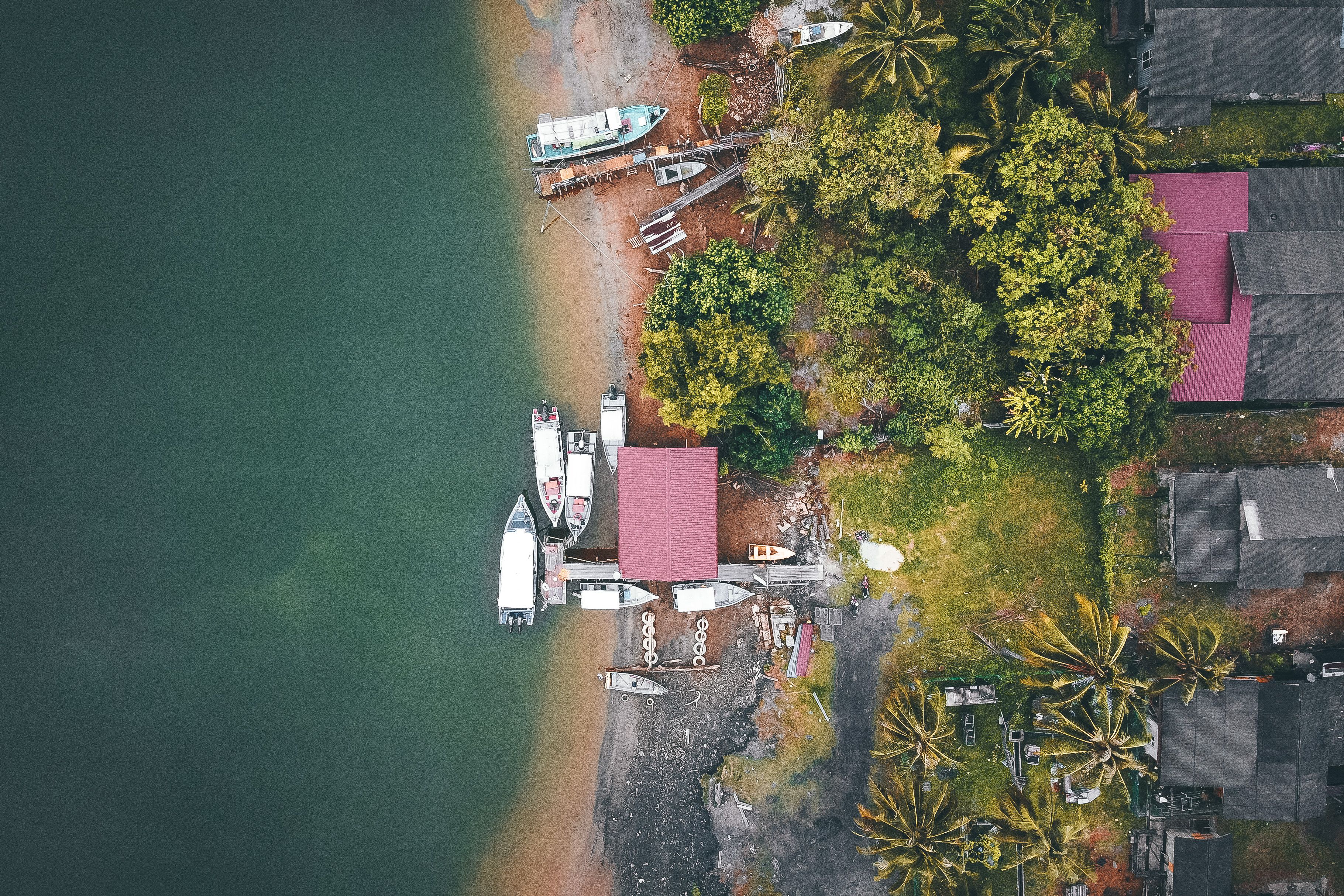
Connectivity is increasingly more than a road question. It includes mobile coverage, fibre connections and the ability of schools, clinics, traders and local administrations to use digital services. Government announcements and project updates in 2025 described continuing efforts to extend rural broadband, fibre hubs and satellite connectivity. The practical test is not only whether infrastructure is installed, but whether communities can afford, access and use it consistently.
Institutions shape the meaning of development
Sabah’s development is carried out through overlapping responsibilities. The state government manages important areas of local administration and policy, while the federal government controls or supports other major functions, including national infrastructure programmes and significant fiscal allocations. Local authorities, community organisations, businesses and customary institutions also influence how projects work on the ground.
This institutional structure makes coordination essential. A new road has greater value when it connects farms or villages to reliable markets. A broadband project matters more when schools, clinics and businesses have the equipment and training to use it. A tourism site is stronger when conservation, waste management, local employment and visitor access are planned together.
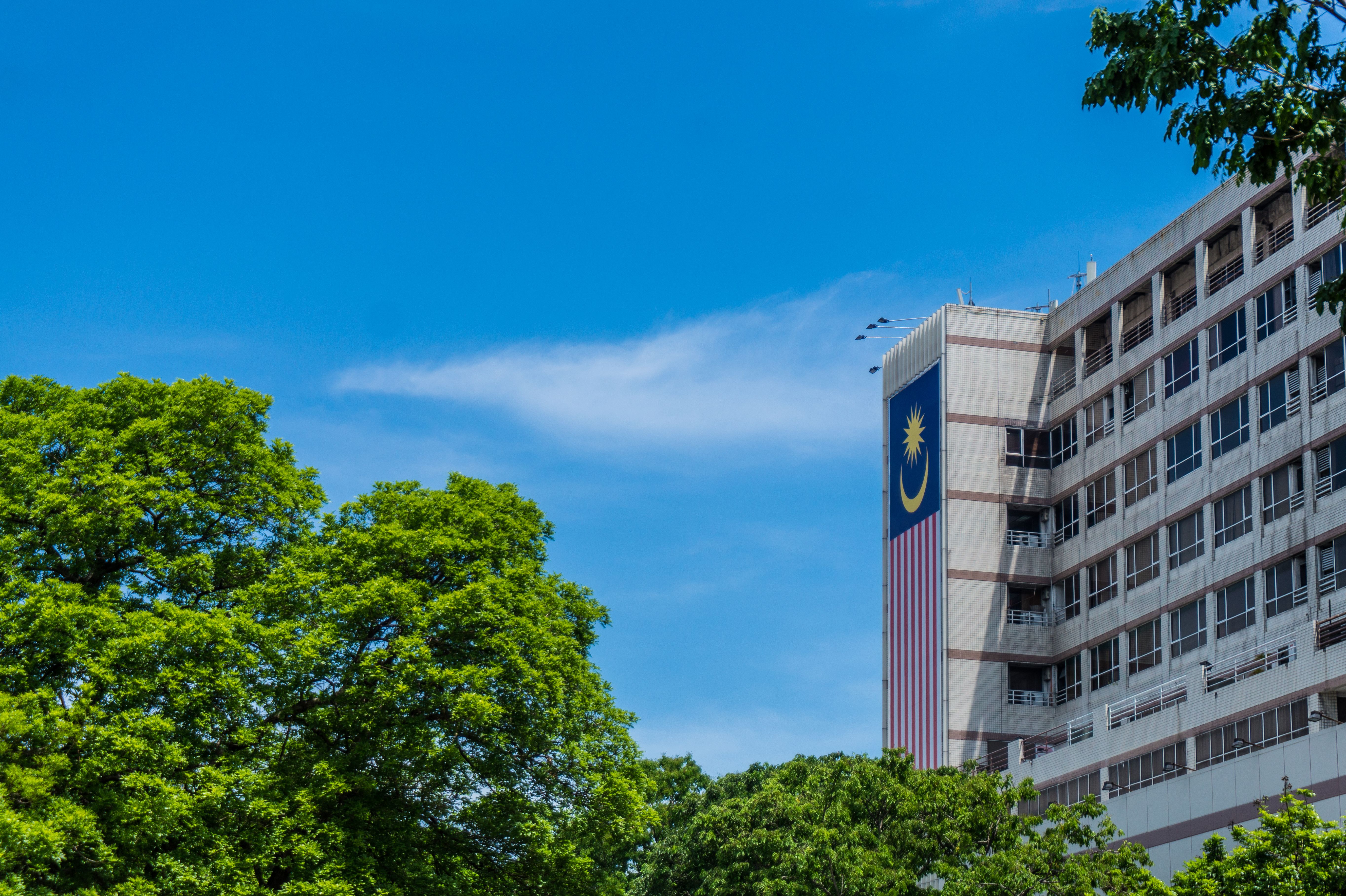
The constitutional history of Sabah also gives institutional questions a regional dimension. Discussions about federalism, state authority and the implementation of the 1963 arrangements are not abstract constitutional debates for many Sabahans; they relate to how responsibilities, resources and decision-making are understood.
For readers following the current political and institutional context from outside Malaysia, regional affairs reporting provides one example of how Sabah’s political developments are presented in wider Southeast Asian coverage. The broader point is that elections are one part of a continuing conversation about representation, administration and development priorities.
What a durable development model would measure
Economic growth is necessary, but it is not sufficient as a measure of regional progress. A fuller assessment would ask whether growth creates stable work, whether public services reach remote communities, whether young people can build careers without leaving permanently and whether local communities participate in decisions affecting land, culture and natural resources.
It would also track the quality of growth. Tourism that protects ecosystems and supports local suppliers has a different long-term effect from tourism measured only by visitor totals. Agriculture becomes more resilient when producers have storage, roads, technology and market information. Digital infrastructure becomes more valuable when it improves education, health access and small-business productivity rather than merely increasing coverage statistics.
Sabah’s regional identity should therefore be treated as an asset in planning, not as a decorative theme added after a project is designed. The state’s languages, community networks, coastal knowledge, agricultural practices and environmental stewardship can inform development that fits local conditions.
A region defined by connection
Sabah’s identity is built from several connections at once: to Borneo, to the sea, to its Indigenous and migrant histories, to Malaysia’s federal system and to the wider economies of Southeast Asia. Its development challenge is to make those connections work for communities across a large and varied territory.
The most useful way to understand Sabah is neither as a remote peripheral state nor as a destination defined only by scenery. It is a region with its own historical logic and development choices. Progress will be most durable when infrastructure, economic diversification, cultural recognition and institutional cooperation advance together.