
Electrical substations are essential components of modern power infrastructure, responsible for regulating voltage levels and ensuring electricity is distributed safely and efficiently. As energy demands continue to increase, substations must handle larger loads, integrate renewable energy sources, and operate with higher reliability standards.
Poorly designed systems can lead to outages, equipment failures, and serious safety hazards that affect both utilities and consumers. This is why modern engineering practices focus heavily on creating efficient, resilient, and adaptable substation solutions that support long term operational performance.
The Importance of Modern Engineering in Substation Reliability
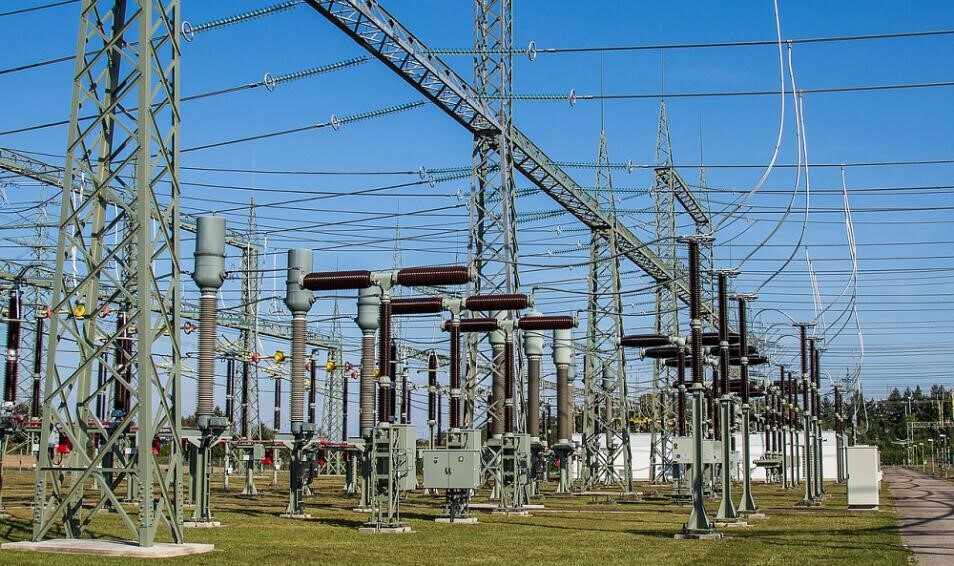
Reliable electrical infrastructure depends on efficient planning and system configuration. Utilities and industrial facilities require substations that can operate continuously under changing load conditions without compromising safety or performance. Because tailored high-performance substation design improves operational efficiency, engineers carefully evaluate equipment placement, load balancing, protection systems, and future expansion requirements during the design phase.
Modern substations are designed to reduce the likelihood of overloads, voltage instability, and equipment stress. Proper layouts allow electrical components to function more efficiently while minimizing unnecessary strain on transformers, breakers, and switchgear. This reduces the chances of unexpected failures that can disrupt power delivery.
Advanced monitoring technologies are also becoming a standard part of modern substation design. Intelligent systems can detect abnormalities early, allowing operators to respond before small issues develop into major outages. This proactive approach significantly improves network reliability and operational continuity.
Reducing Safety Risks Through Smarter Infrastructure Planning
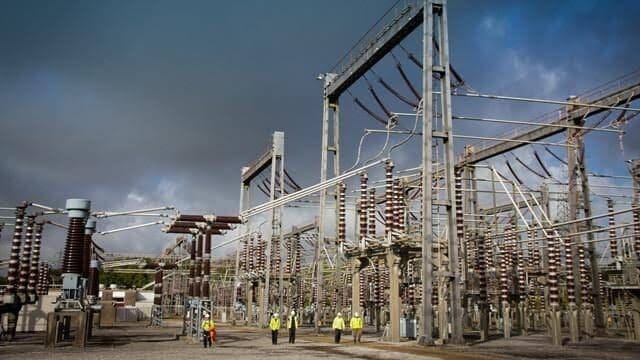
Safety is one of the most critical considerations in substation engineering. Faulty equipment, inadequate spacing, or poor protection coordination can create dangerous conditions for workers, nearby communities, and connected electrical systems. Effective design strategies help reduce these risks by ensuring systems operate within safe limits at all times.
Engineers use detailed analysis and simulation tools to identify potential hazards before construction begins. Proper grounding systems, fault isolation measures, and protective relays are carefully integrated into the design to prevent electrical accidents and equipment damage. In the event of a fault, these systems help contain the issue quickly and minimize the impact on the broader network.
Supporting Long Term Grid Performance and Expansion

Electrical grids are evolving rapidly as energy consumption grows and renewable energy integration becomes more common. Substations must now support more complex power flows while maintaining stability across the network. Flexible and scalable designs allow utilities to adapt to these changing requirements without major infrastructure disruptions.
High performance substations improve energy efficiency by reducing transmission losses and optimizing power distribution. This leads to lower operational costs and more consistent service for residential, commercial, and industrial users. Efficient infrastructure also supports sustainability goals by improving compatibility with renewable energy systems and battery storage technologies.
Conclusion
Better substation design plays a critical role in reducing outages, improving safety, and supporting reliable electrical infrastructure. Through advanced engineering, intelligent monitoring systems, and strategic infrastructure planning, modern substations help utilities maintain stable power delivery while minimizing operational risks. Organizations that prioritize high performance design benefit from improved reliability, stronger system resilience, and lower long term maintenance costs. As energy networks continue to evolve, well designed substations will remain essential for delivering safe and dependable electricity to growing communities and industries.